Click link to vote on your favorite! >>>> Top 5 Gearhead Reality Show Poll
Saturday, October 2, 2010


Thursday, September 30, 2010
Car Makers Tell EPA to Wait on E15
Dependence on foreign oil is a hot topic, but it isn’t a new one. Each president since Jimmy Carter has said something about yet. Over time, different fuels such as methane and ethanol have been proposed. Over the last few years, gas suppliers have been mixing gasoline and ethanol, in a solution called E10, or 10 percent ethanol. Currently, the Environmental Protection Agency is thinking about whether to approve use of E15 for late or older models. There is not a good deal of science out on it yet. That is why auto makers are urging the EPA to wait on deciding.
The EPA weighs in on E15
The Environmental Protection Agency has the oversight on approving new fuels. Right now, it is weighing the merits of E15. E15 is the next step up from the already widely sold E10. It has a mixture of 15 percent ethanol to 85 percent gasoline. The Department of Energy is testing the effects of E15 on automobiles that are no older than 10 years, according to Popular Mechanics. That is not an incredibly realistic testing range. About 88 percent of all cars in use in the United States of America are over 10 years of age. The Auto Alliance, a consortium of car manufacturers, has urged the EPA not for making any ruling on E15 until Auto Alliance studies have been completed. At least one study, by engineering group Ricardo, Inc., found that E15 has no harmful effects on cars older than 10 years.
Ethanol as gasoline
Ethanol also goes by another name, which is moonshine. The energy potential of a chemical is determined by its combustibility, and ethanol is certainly combustible. According to Wikipedia, the drawback to using ethanol is that it has about 34 percent less energy per unit of volume than gasoline. Resulting from that is 50 percent greater use of fuel in an ethanol only vehicle. However, parity with gas power could be achieved by increasing the compression, and making the engine more powerful. Even with a larger engine at higher compression, ethanol fueled cars cannot get better mileage than gas engines.
The consequences of ethanol
A great deal of grain is already getting used for a fuel crop. However, the danger with supplanting gas with ethanol is that crops, especially grains, increase in scarcity and therefore cost. Having a cheap abundance of grain crops is what makes civilization itself possible.
Additional reading
Popular Mechanics
popularmechanics.com/cars/alternative-fuel/biofuels/renewable-fuels-association-urges-epa-to-approve-e15-for-older-vehicles?click=pm_news
Wikipedia
en.wikipedia.org/wiki/Ethanol_fuel
The EPA weighs in on E15
The Environmental Protection Agency has the oversight on approving new fuels. Right now, it is weighing the merits of E15. E15 is the next step up from the already widely sold E10. It has a mixture of 15 percent ethanol to 85 percent gasoline. The Department of Energy is testing the effects of E15 on automobiles that are no older than 10 years, according to Popular Mechanics. That is not an incredibly realistic testing range. About 88 percent of all cars in use in the United States of America are over 10 years of age. The Auto Alliance, a consortium of car manufacturers, has urged the EPA not for making any ruling on E15 until Auto Alliance studies have been completed. At least one study, by engineering group Ricardo, Inc., found that E15 has no harmful effects on cars older than 10 years.
Ethanol as gasoline
Ethanol also goes by another name, which is moonshine. The energy potential of a chemical is determined by its combustibility, and ethanol is certainly combustible. According to Wikipedia, the drawback to using ethanol is that it has about 34 percent less energy per unit of volume than gasoline. Resulting from that is 50 percent greater use of fuel in an ethanol only vehicle. However, parity with gas power could be achieved by increasing the compression, and making the engine more powerful. Even with a larger engine at higher compression, ethanol fueled cars cannot get better mileage than gas engines.
The consequences of ethanol
A great deal of grain is already getting used for a fuel crop. However, the danger with supplanting gas with ethanol is that crops, especially grains, increase in scarcity and therefore cost. Having a cheap abundance of grain crops is what makes civilization itself possible.
Additional reading
Popular Mechanics
popularmechanics.com/cars/alternative-fuel/biofuels/renewable-fuels-association-urges-epa-to-approve-e15-for-older-vehicles?click=pm_news
Wikipedia
en.wikipedia.org/wiki/Ethanol_fuel
Wednesday, August 18, 2010
Drum Versus Disc Brakes
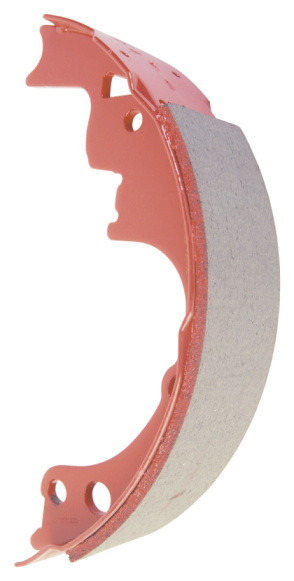
Even though the speed a car can travel is essential, it is just as essential to be able to stop if and whenever you want. Two types of brakes are available, and they’re drum brakes and disk brakes. These two braking systems are used for very different reasons, though both are effective. Conserve time and money by knowing what kind of brake system you need for automobile. Article source – Drum brakes vs. disc brakes – turning up the heat by Car Deal Expert.
Drum brake background
Drum braking systems are sometimes known as “rotating” braking systems. The basic design is one of a round “drum” that rotates along with the wheel. Press down on the brake pedal, and also the drum expands out, providing friction and slowing the wheel. The biggest problem with drum brakes is when they’re put under very heavy load on a regular basis, they can heat up and lose effectiveness easily.
The basics of disc brakes
Disc brakes really just look like some bikes on a bicycle. Two brake pads use a caliper to “squeeze” the wheel whenever you press on the brake. By keeping the brakes outside the wheel housing, the brakes tend to be more reliable by being air-cooled.
Disc versus Drum
When deciding between disc and drum, make certain you consider everything. Simplicity and cheapness are what people think of when thinking of drum brakes. Disc brakes, though, offer meatier braking power. Drum brakes are typically found in less costly or more economical automobiles. Sometimes there will be disc and drum brakes. Despite the fact that it is typically more expensive, having disc brakes for emergencies could be really helpful. Emergency brakes have to be installed also with less costly drum brakes. Disc brakes need replacing less than drum brakes although it costs less to replace drum brakes.
Wednesday, August 4, 2010
Anchoring- Most Dealerships use this technique
When people attempt to make a decision, they use perceptions called anchors as points of comparison. Once an anchor has been set for future comparisons, that anchor is hard to remove from the mind. This process of operating bias is appropriately called anchoring, and retail business cannot wait to use it on an unaware consumer. The human brain will fall back on it if countermeasures aren’t prepared in advance. A little bit of knowledge won’t make one immune, but it will help on places like a used automobile lot.
An anchor in the car aisles
Marcy makes her way onto a used automobile lot, entirely unaware of the concept of psychological anchoring. The old commuter works, but Marcy wants something new and exciting. A sharp hybrid catches her eye. She checks it out from front to back, sits in it and wonders if she may have found her dream car. But the sticker price shakes her. Lightning strikes when she reads the price tag: $ 24,998.
Enter used automobile salesman with reassuring grin. He asks her if she likes the automobile, and while Marcy does, she exclaims dejectedly that it’s out of her price range. Marcy loves the car, but she hates the price. Then the salesman comes at Marcy with the hook.
'No worries. That car’s on sale for $ 14,000!’
That’s all that Marcy needs. She jumps at the chance to buy with such a discount. She has taken the bait for a top retail scam, writes You Are not So Wise. As Marcy didn’t know what the vehicle was really worth, the salesman could very easily use anchoring to play with her expectations. Markdown seemed excellent, but the real value of the car happened to be under $ 10,000. The markup is what was tremendous. Marcy needed an anchor to help her make her purchase decision, and also the salesman obliged. The dealer made out like a bandit, thanks to anchoring.
Haggle, do not buy the vapor
What we’re willing to pay is typically a vapor number that isn’t grounded in specific money value. What the dealer says and what the true value is could be wildly different. It anchors the mind to an inflated price that is far above what the dealer paid for it, let alone its true worth.
Allow a dealer that kind of room to play games and your cash will turn to vapor. Haggling pulls you away from the concept of anchoring and can make less experienced auto dealers squirm. Control the game, instead of allow yourself to be controlled by anchoring. Do your due diligence and be prepared to haggle for a lower price. Experienced dealers will play ball with such a intelligent customer.
Find more details on this subject
Wikipedia
en.wikipedia.org/wiki/Anchoring
You Are not So Smart
youarenotsosmart.com/2010/07/27/anchoring-effect/
An anchor in the car aisles
Marcy makes her way onto a used automobile lot, entirely unaware of the concept of psychological anchoring. The old commuter works, but Marcy wants something new and exciting. A sharp hybrid catches her eye. She checks it out from front to back, sits in it and wonders if she may have found her dream car. But the sticker price shakes her. Lightning strikes when she reads the price tag: $ 24,998.
Enter used automobile salesman with reassuring grin. He asks her if she likes the automobile, and while Marcy does, she exclaims dejectedly that it’s out of her price range. Marcy loves the car, but she hates the price. Then the salesman comes at Marcy with the hook.
'No worries. That car’s on sale for $ 14,000!’
That’s all that Marcy needs. She jumps at the chance to buy with such a discount. She has taken the bait for a top retail scam, writes You Are not So Wise. As Marcy didn’t know what the vehicle was really worth, the salesman could very easily use anchoring to play with her expectations. Markdown seemed excellent, but the real value of the car happened to be under $ 10,000. The markup is what was tremendous. Marcy needed an anchor to help her make her purchase decision, and also the salesman obliged. The dealer made out like a bandit, thanks to anchoring.
Haggle, do not buy the vapor
What we’re willing to pay is typically a vapor number that isn’t grounded in specific money value. What the dealer says and what the true value is could be wildly different. It anchors the mind to an inflated price that is far above what the dealer paid for it, let alone its true worth.
Allow a dealer that kind of room to play games and your cash will turn to vapor. Haggling pulls you away from the concept of anchoring and can make less experienced auto dealers squirm. Control the game, instead of allow yourself to be controlled by anchoring. Do your due diligence and be prepared to haggle for a lower price. Experienced dealers will play ball with such a intelligent customer.
Find more details on this subject
Wikipedia
en.wikipedia.org/wiki/Anchoring
You Are not So Smart
youarenotsosmart.com/2010/07/27/anchoring-effect/
Monday, July 26, 2010
WattStation will charge electric cars using smart grid tech
General Electric announced that they will have the WattStation, or new electric car charging station. The time it takes to charge a 24 kWh battery is reduced by two thirds. For home and commercial use the WattStation could be used for. Source for this article – WattStation will charge electric cars using smart grid tech by Car Deal Expert.
Using technology for the WattStation
Smart-grid technology is used with the WattStation charging unit. Extra energy is delivered to areas of high demand with the two way digital control smart grid has. Combined with superconductive transmission lines, the smart-grid tech can pull the additional energy required to charge batteries quickly.
WattStation – will it work?
A battery can be charged in four to eight hours with WattStation as outlined by General Electric. Usual charging times, depending on the electric car, are between twelve and eighteen hours. While some car battery makers are working on reducing that charging time, most nevertheless take at least twelve hours.
Electric car battery issues
The biggest challenge with most electric cars is simple – getting enough power to run the vehicle takes a when. No matter what the battery is made with, it still will take time to charge. Only so much power can be given at once by electric transmission systems and lines. WattStation supposedly found a way to fix this problem.
Is WattStation something buyers are interested in?
Car makers have always been frustrated with electric cars. While there seems to be great support for electric cars in the market, they nevertheless remain a niche product. Buyers would rather use gas cars with the questionable battery technology and long charging times. GE hopes that, combined with new cars and better battery technology, the WattStation will encourage buyers to make the leap to electric.
Using technology for the WattStation
Smart-grid technology is used with the WattStation charging unit. Extra energy is delivered to areas of high demand with the two way digital control smart grid has. Combined with superconductive transmission lines, the smart-grid tech can pull the additional energy required to charge batteries quickly.
WattStation – will it work?
A battery can be charged in four to eight hours with WattStation as outlined by General Electric. Usual charging times, depending on the electric car, are between twelve and eighteen hours. While some car battery makers are working on reducing that charging time, most nevertheless take at least twelve hours.
Electric car battery issues
The biggest challenge with most electric cars is simple – getting enough power to run the vehicle takes a when. No matter what the battery is made with, it still will take time to charge. Only so much power can be given at once by electric transmission systems and lines. WattStation supposedly found a way to fix this problem.
Is WattStation something buyers are interested in?
Car makers have always been frustrated with electric cars. While there seems to be great support for electric cars in the market, they nevertheless remain a niche product. Buyers would rather use gas cars with the questionable battery technology and long charging times. GE hopes that, combined with new cars and better battery technology, the WattStation will encourage buyers to make the leap to electric.
Monday, July 19, 2010
Toyota Claims Steering Defect Not A Defect

The 2010 Toyota recalls gained no small amount of attention, but here’s something you may have missed: the National Highway Traffic Safety Administration was paying close attention to nearly a billion 2009 and 2010 Toyota Matrix and Toyota Corolla automobiles. Steering was the question. Auto Blog reports that Toyota has gone on record as saying that the potential safety defect isn’t really really a defect. Toyota is prepared to fix it for free, but do not feel the need for a recall. Post resource – Toyota claims Matrix steering defect is not a defect by Car Deal Expert.
Toyota Matrix power steering can suffer locking or drift
Shockingly, reports of Toyota Matrix and Corolla power steering units causing drift of freezing totally don’t register as safety defects with the automaker. What would seem like a safety defect to most is a “customer satisfaction” issue according to Toyota PR, despite 437 complaints, 11 injuries and 18 accidents. That did warrant a Technical Service Bulletin from the brain trust to Toyota dealers, says AutoBlog. If the report’s prescription of checking tire pressure and alignment don’t do the trick, then and only then will a new power steering unit be put in.
AutoBlog indicates that the GM Matrix clone the Pontiac Vibe may have comparable difficulties with power steering.
No recall means more money in Toyota’s pocket
If Toyota is allowed to go with not recalling the 2009 and 2010 Toyota Matrix or Corolla, they’ll save money and stay away from having to report to regulators. However, the NHTSA can have to agree with Toyota’s assessment of the “non-defect”. At this time, they’re still investigating. Toyota would rather keep away from a PR nightmare. A new forced recall would tear down any gains the embattled automaker has made since early 2010.
More info accessible at these websites
AutoBlog
autoblog.com/2010/07/13/report-toyota-says-corolla-matrix-steering-issue-not-a-defect/
Saturday, July 17, 2010
Replacing Your Timing Belt Could Save Costly Repairs
A very essential element of some car engines, the timing belt (aka cam belt), controls your vehicle’s valve timing. The timing belt connects the crankshaft to the camshaft, which controls the opening and closing of valves necessary during the internal combustion process. It turns the water pump in some engines.Some engines use a timing chain insteed of a belt. Wikipedia says the first car to use a timing belt was in 1945, and the timing belt first went into mass production in 1962 with the German Glas 1004 car. It hit The US with the 1966 Pontiac Tempest, and also the 1966 Vauxhall introduced the modern-day use of the timing belt with the four-cylinder overhead cam design that is common to most cars today. Auto manufacturers suggest the timing belt be changed at regular intervals, so it is wise to consult your owner’s manual and keep accurate records.
Make this practice of changing the belt regular
All automotive belts are significant to an engine’s proper function, and also the timing belt is no exception. It’s made of rubber, so it’s relatively inexpensive. It can also snap without warning. Depending upon whether you’ve the “interference” type of engine , a snapped timing belt can cause the engine pistons to bend the valves, which requires the head to be removed. That’s an costly repair procedure, so have your timing belt changed regularly. As the timing belt is generally covered up and not very easily visible, it is typically a good idea to have a trained professional perform the inspection and replacement.
How long will a timing belt last?
It will all depend on the manufacturer. It could be about 10,000 miles for a belt tension check, or as much as 100,000 miles before total replacement. If there’s any doubt, preventative maintenance is better than trying to wait until it snaps and the valves warp. If you drive hard and live in a warm climate, you will probably have to change the timing belt more often, as excessive heat causes rubber to crack over time. Exposure to oil or antifreeze can also wear down the rubber, so if you have a leak, you’ll want to inspect the belt. Since the cost of a new water pump is relatively low compared with the cost of having a mechanic go in and check the timing belt, I suggest just replacing the water pump at the exact same time that you replace the belt.
Stay Tuned For More Automotive Tips and News
Make this practice of changing the belt regular
All automotive belts are significant to an engine’s proper function, and also the timing belt is no exception. It’s made of rubber, so it’s relatively inexpensive. It can also snap without warning. Depending upon whether you’ve the “interference” type of engine , a snapped timing belt can cause the engine pistons to bend the valves, which requires the head to be removed. That’s an costly repair procedure, so have your timing belt changed regularly. As the timing belt is generally covered up and not very easily visible, it is typically a good idea to have a trained professional perform the inspection and replacement.
How long will a timing belt last?
It will all depend on the manufacturer. It could be about 10,000 miles for a belt tension check, or as much as 100,000 miles before total replacement. If there’s any doubt, preventative maintenance is better than trying to wait until it snaps and the valves warp. If you drive hard and live in a warm climate, you will probably have to change the timing belt more often, as excessive heat causes rubber to crack over time. Exposure to oil or antifreeze can also wear down the rubber, so if you have a leak, you’ll want to inspect the belt. Since the cost of a new water pump is relatively low compared with the cost of having a mechanic go in and check the timing belt, I suggest just replacing the water pump at the exact same time that you replace the belt.
Stay Tuned For More Automotive Tips and News
Subscribe to:
Posts (Atom)